🩸🩸🩸


What truly set Mortal Kombat apart wasn’t just its violence, but the challenge to master fatalities and rush of beating your opponent's senseless. The digitized sprites gave characters an uncanny presence that made every punch land harder and every fatality feel more like a reward. Sub-Zero’s spine rip, Scorpion’s fiery execution, and Kano's chest penetrating heart rip to became playground legends almost overnight. Arcades turned into theaters of gasps and cheers, with crowds gathering behind cabinets just to see what would happen next.


That shockwave didn’t stop at the arcade doors. Mortal Kombat quickly became a lightning rod for public debate, drawing criticism from parents, politicians, and media watchdogs. Congressional hearings in the early 1990s singled the game out (along with Night Trap) as a prime example of unchecked violence in interactive media. The fallout directly contributed to the creation of the ESRB rating system—making Mortal Kombat one of the rare games that didn’t just reflect culture but actively reshaped the gaming industry’s rules and responsibilities.

Despite—or perhaps because of—the controversy, Mortal Kombat became a cornerstone of gaming history. It proved that games could provoke strong emotional reactions, command mainstream attention, and spark serious conversations. More importantly, it showed that arcades weren’t just places to play—they were cultural hubs where technology, art, and rebellion collided. The series would go on to spawn sequels, films, merchandise, and a legacy that still dominates fighting games today.

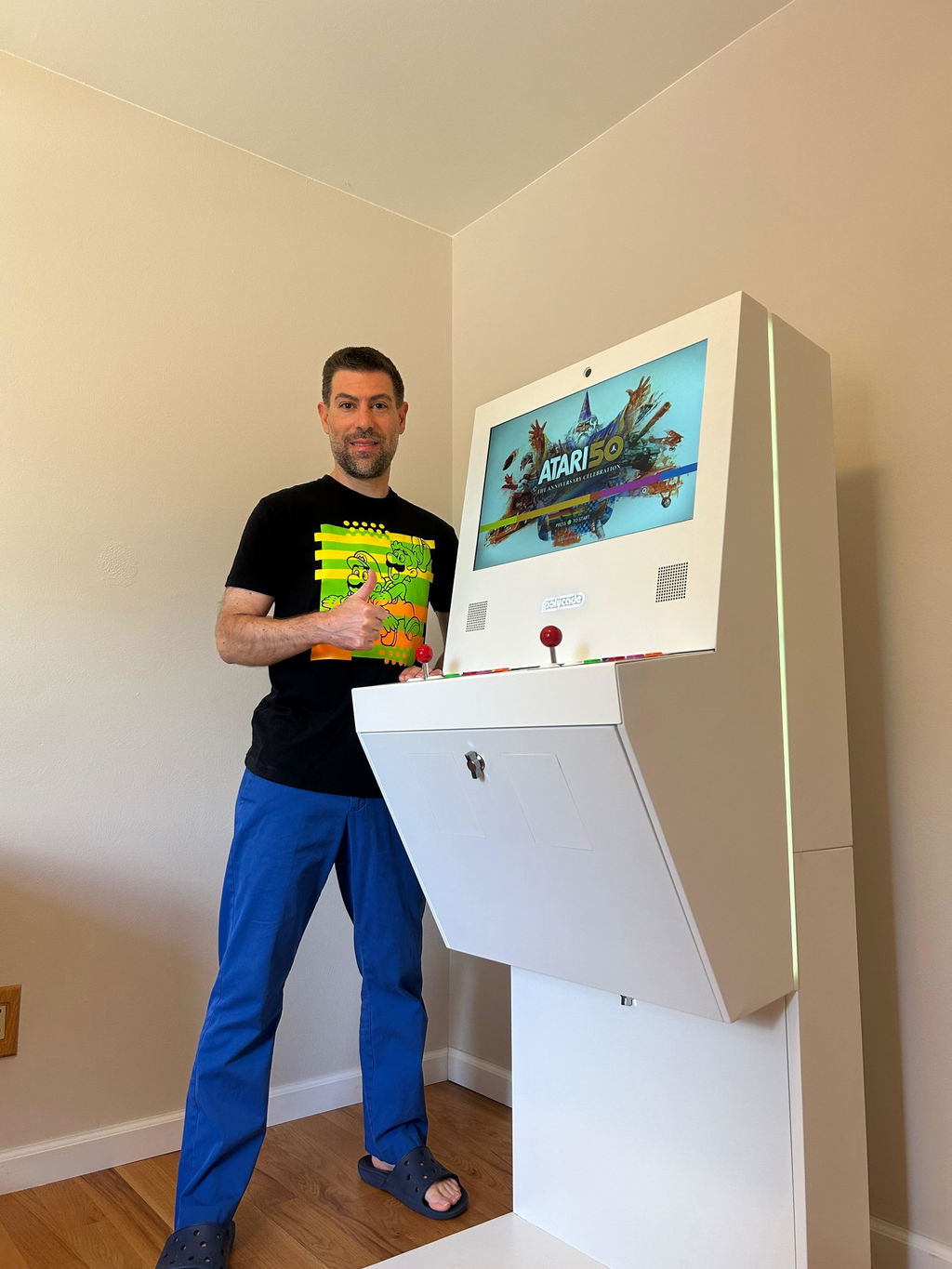
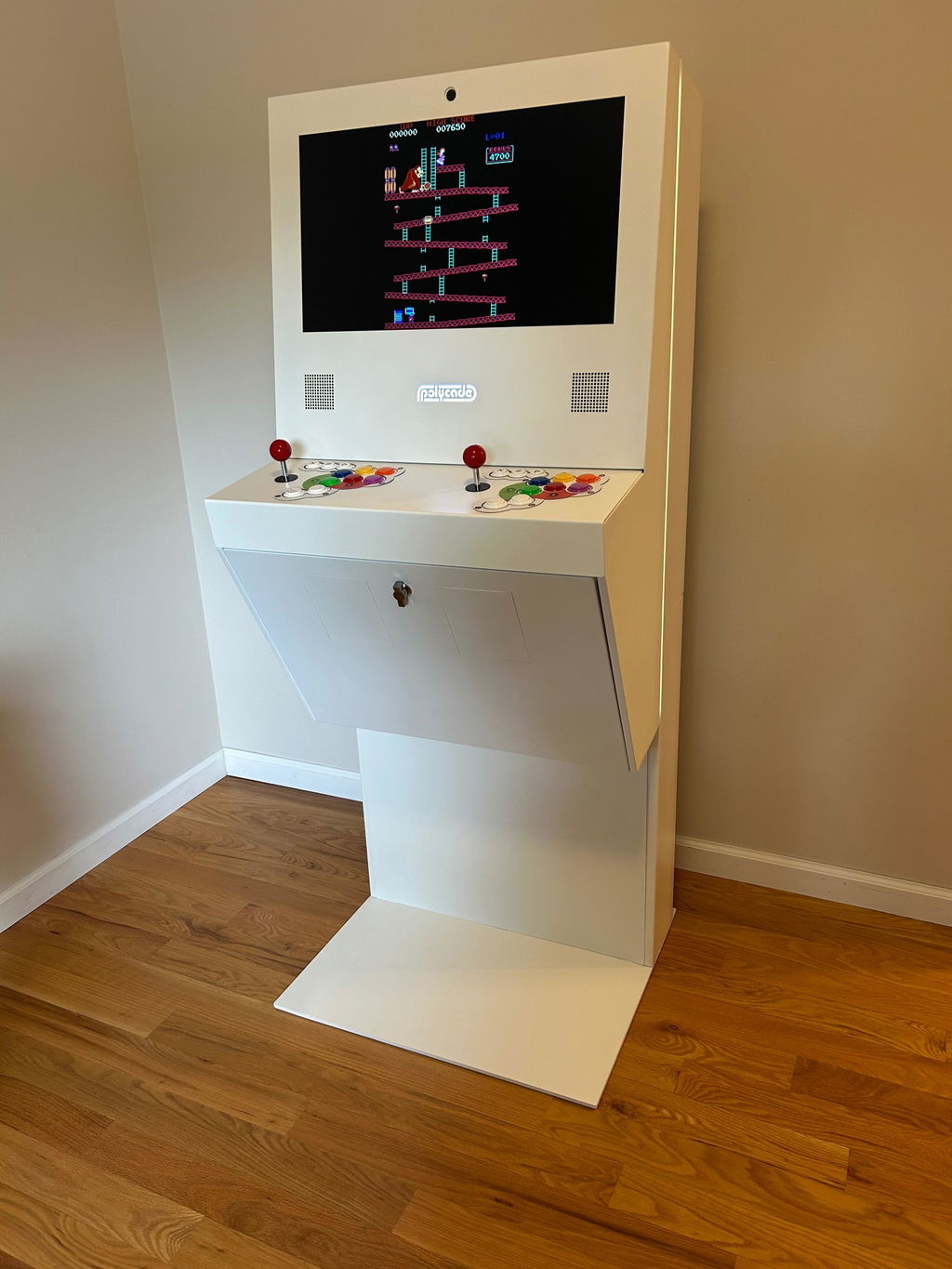
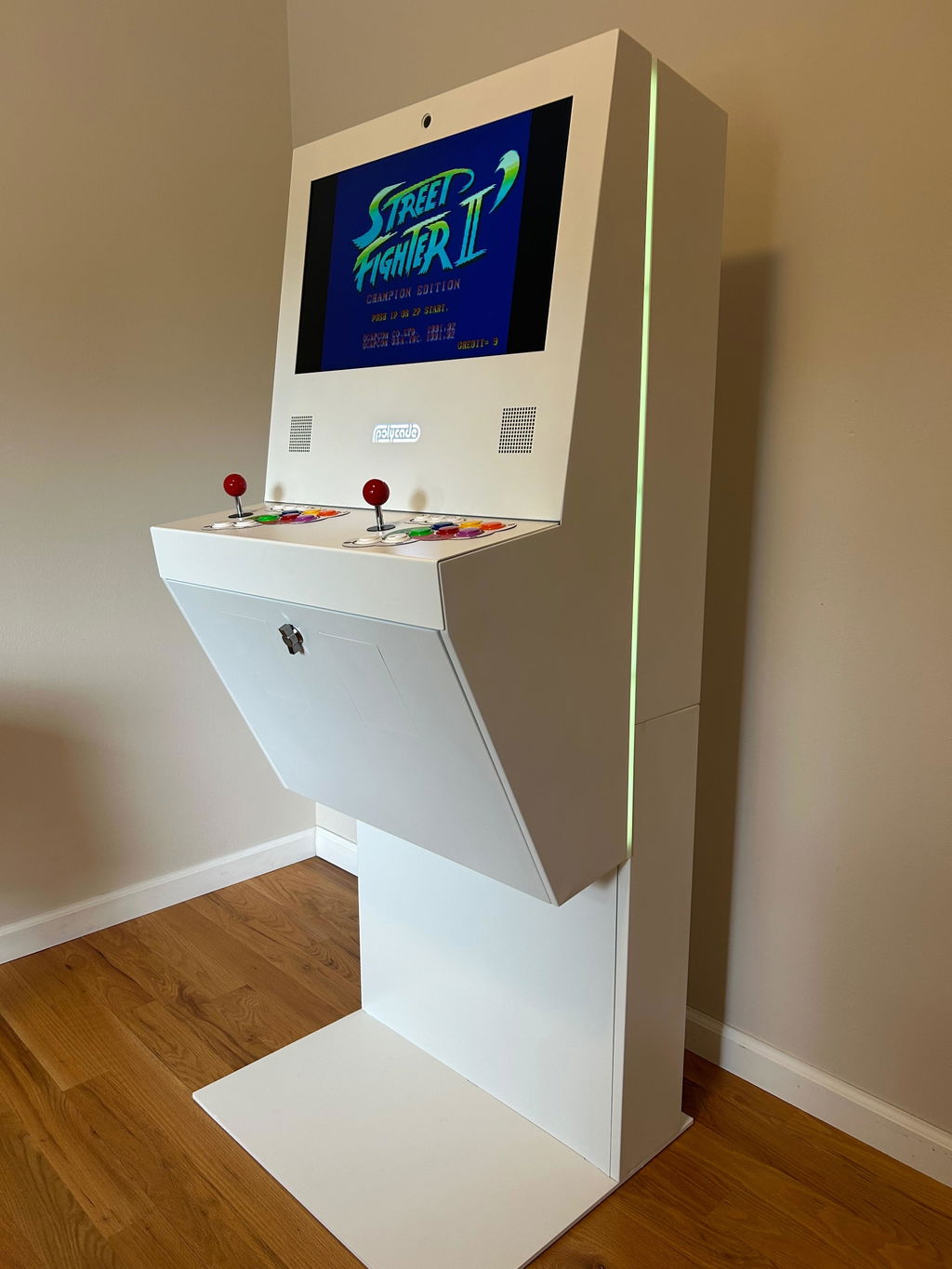
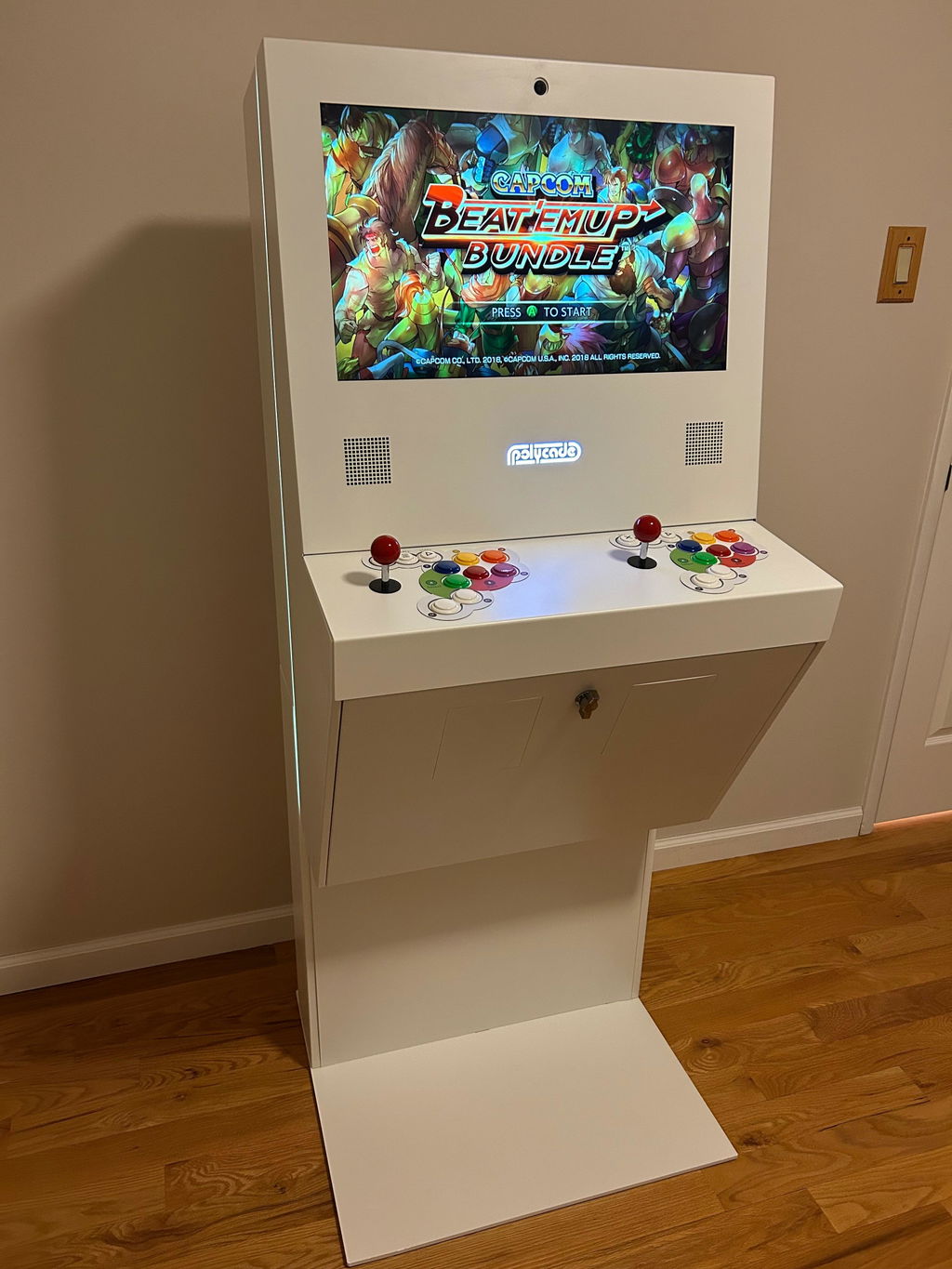
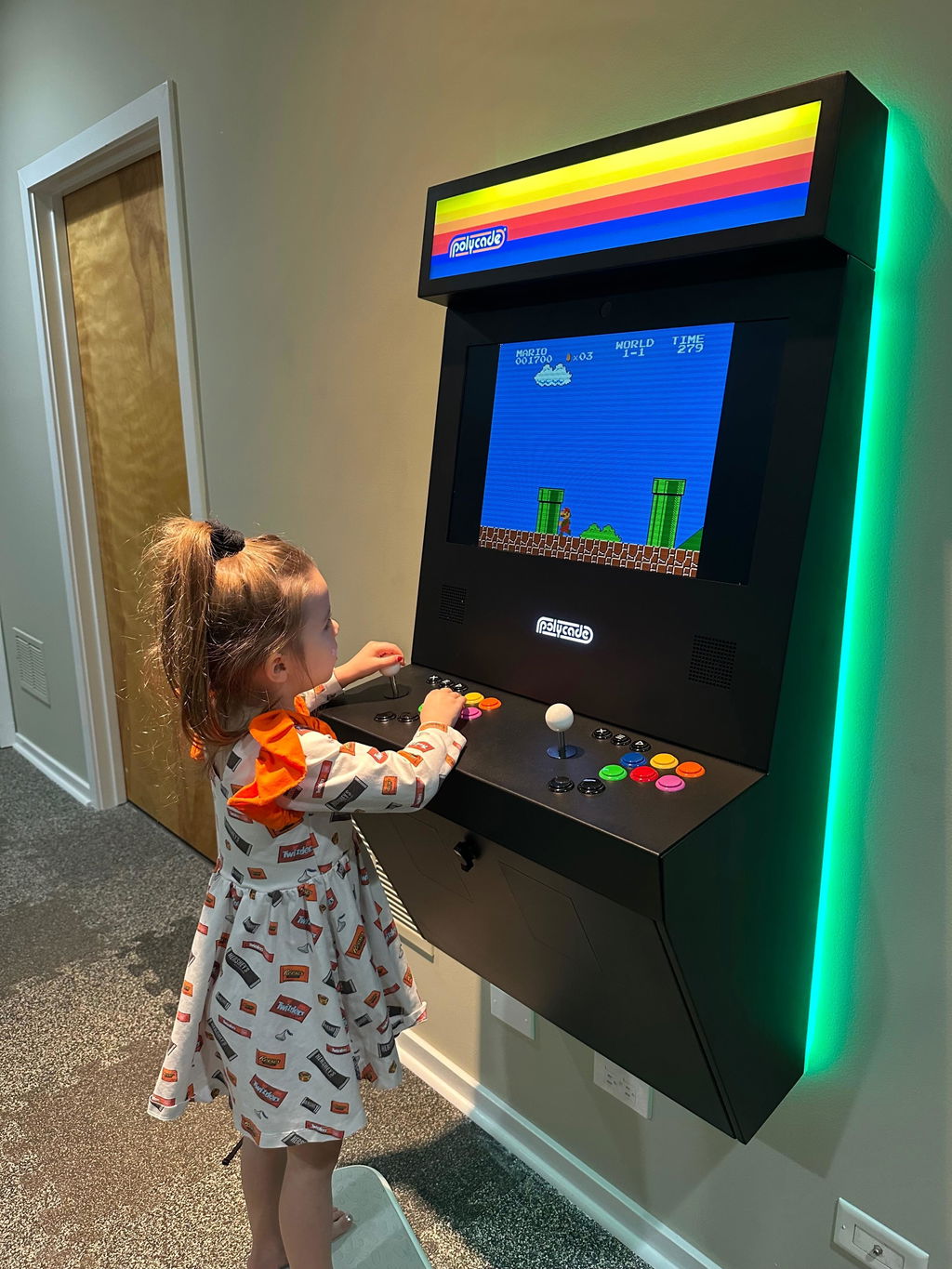
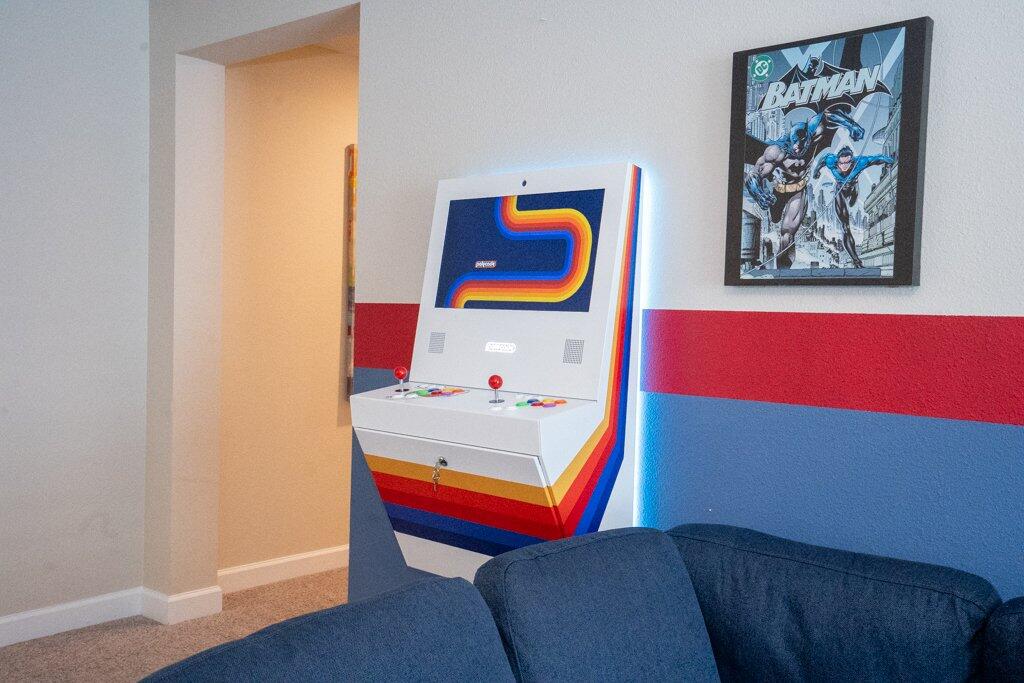
More than three decades later, that legacy is still alive. Players can revisit the original experience through modern platforms like Steam, where Mortal Kombat is available via the Mortal Kombat Legacy Kollection, or experience it in its purest arcade form on modern arcade systems, like our amazing Sente! Because every era needs a game that dares to break the rules—and in 1992, Mortal Kombat did exactly that.
Take a look at this amazing video by Super Splash Wave, covering the making of Mortal Kombat!
🩸🩸🩸
Check out the Arcade Cabinet Info & Specs on KLOV:
Mortal Kombat - Videogame by Midway Games | Museum of the Game
We truly hope you enjoyed this weeks article! Please remember to check out social channels, and share with friends who would enjoy this!
Sincerely,
—Jayde SheLion